Growth
Short-Video Call-to-Action Examples That Fit the Content
Write useful calls to action for short videos. Explore examples for tutorials, podcasts and product demos, and match each next step to the viewer's intent.
Who this is for
Creators writing closing lines and post descriptions for short videos.
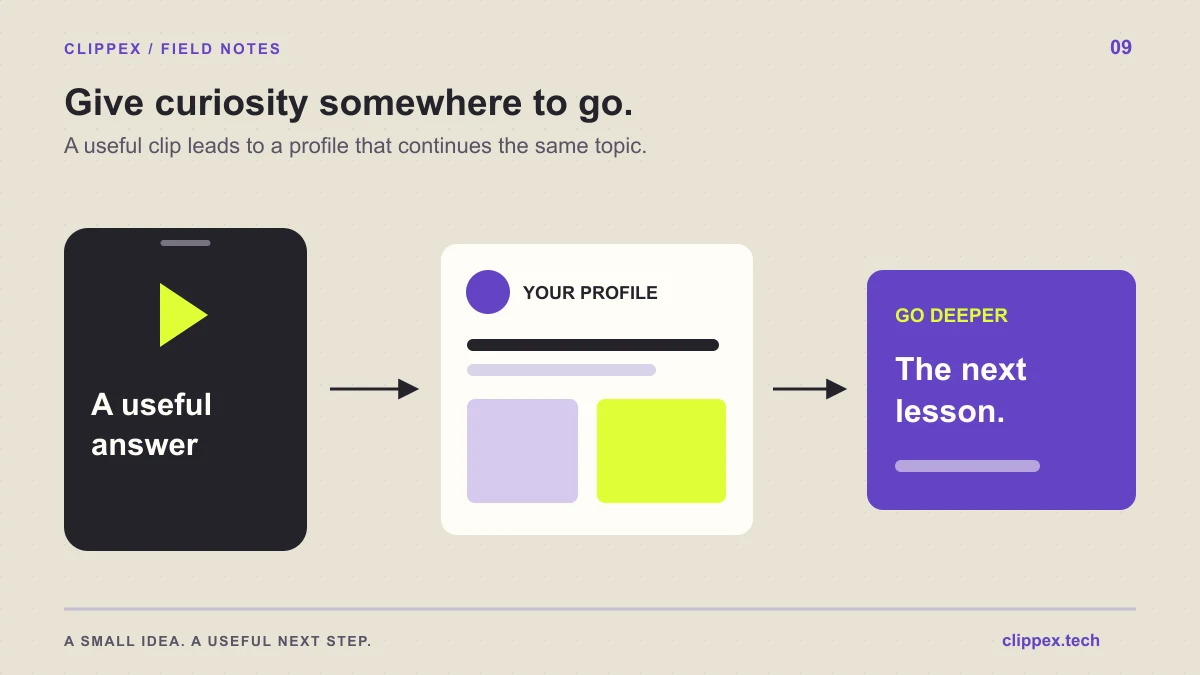
A short-video call to action should explain one useful next step. Decide what the viewer needs after the clip's answer, name the resource or action clearly and make sure it is available. The best wording depends on the content, the destination and how much interest the viewer has already shown.
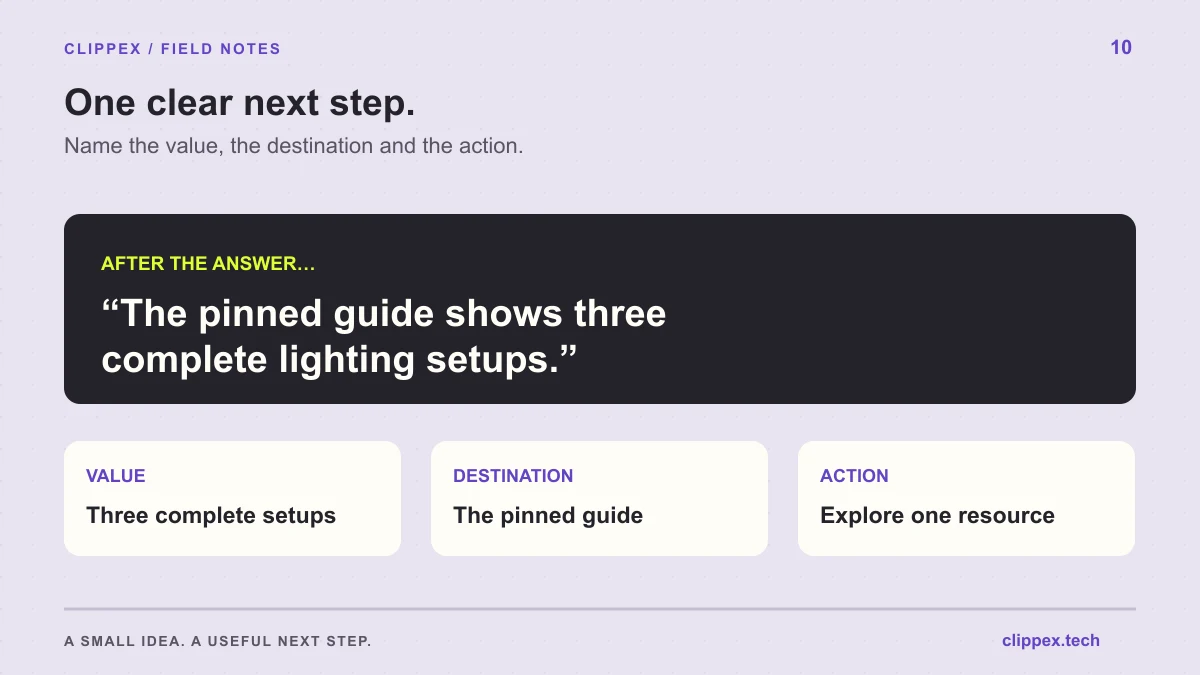
Ask for one action and explain the value the viewer receives from taking it.
Choose the next step before writing the line
Ask what would help someone apply or extend the idea they just learned. A tutorial may lead to a checklist. A podcast preview may lead to a full conversation. A product demonstration may lead to a longer walkthrough of the same task.
Avoid combining several requests at once. Asking someone to follow, save, comment, share and visit a link creates multiple competing decisions. Choose the action that best serves the purpose of this particular clip, then make that action easy to understand.
For tutorials, offer the next level of help
Educational clips work well with a next step that adds examples, practice or a larger process. Finish the lesson inside the clip first. Then tell the viewer exactly what the additional resource contains and where it can be found.
Use these as writing patterns, replacing the resource names with something you actually provide. A precise promise is only useful when the destination fulfills it.
- 'The pinned lighting guide shows the same setup in three different rooms.'
- 'Save this sequence for your next recording session.'
- 'The full lesson walks through the second example step by step.'
- 'Which part of this setup would you like to see demonstrated next?'
For podcasts, name what the full episode adds
A generic 'watch the full episode' can be improved by describing the part of the conversation that continues this answer. Mention the question, story or follow-up that a viewer interested in this clip would want to hear.
Keep the route appropriate to the platform. YouTube offers a related-video feature for Shorts, subject to its access requirements; confirm your account's availability before referring to it. Other destinations may need a profile route or another supported link placement.
- 'In the full conversation, Maya explains what she changed on the second attempt.'
- 'The episode linked from our profile includes the complete interview-preparation process.'
- 'Watch the related episode for the follow-up questions behind this answer.'
For product demos, continue the same task
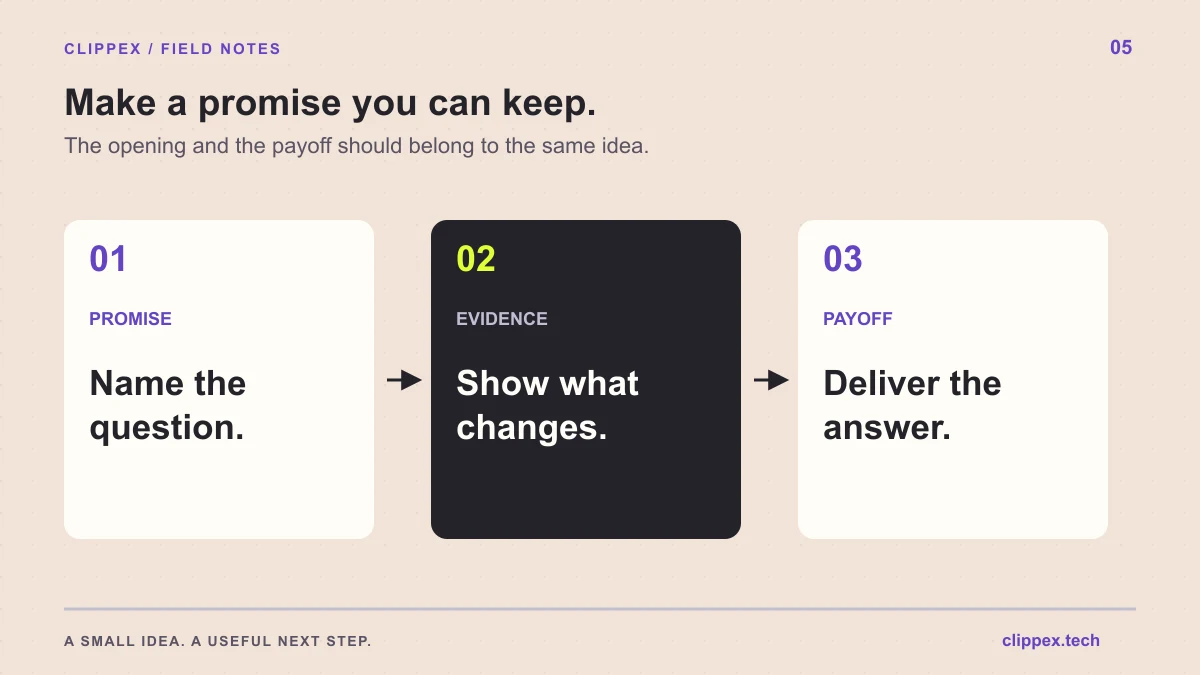
A demonstration should show a real action and result before it asks for a larger commitment. If the clip solves one small workflow problem, point to the next practical step rather than switching abruptly to an unrelated sales message.
Match the destination to the viewer's readiness. Someone learning what the product does may need a full walkthrough. Someone comparing a specific workflow may need examples or details about available plans. Use your judgment about the question the clip actually answered.
- 'See the complete workflow in the demo linked on our profile.'
- 'The examples page shows finished clips from several kinds of recordings.'
- 'Open the setup guide before trying this on your own recording.'
Place the call to action after a real payoff
A closing line should feel like a continuation of the explanation. Keep it short enough that it does not dominate the clip or interrupt the answer. You can repeat the destination in the post description when that helps someone find it later.
For clips taken from existing footage, avoid editing the speaker to imply a recommendation they never made. Add your own accurate context in the publishing text or finishing workflow. Review the final result for a natural transition from the source material to your message.
Test the promise and the route together
Open the destination yourself before publishing. Check that it works, its title matches the promise and the resource is usable on a phone. A clever closing sentence cannot compensate for a broken link or a confusing page.
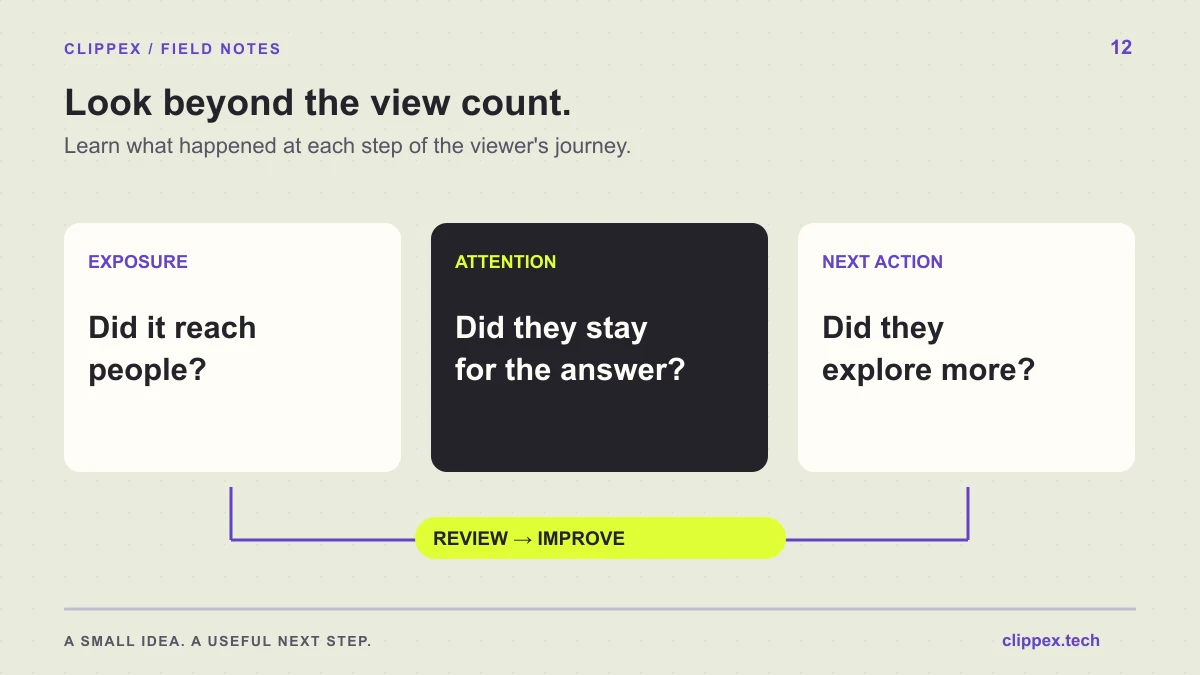
After publication, compare similar clips with one meaningful change to the call to action. Look at the relevant action rather than only views. If people arrive but leave quickly, improve the resource or the promise that brought them there before asking more viewers to take the same route.